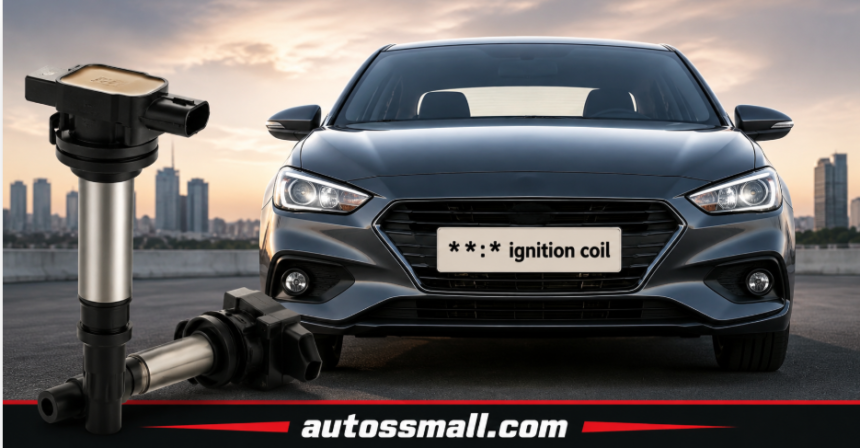
An ignition coil is a small but powerful part of your car’s engine that helps create the spark needed to start combustion. It takes the low voltage from your battery and transforms it into thousands of volts, strong enough to ignite the fuel mixture inside the engine. Without a properly working ignition coil, your car simply will not run smoothly, or may not start at all. Understanding this part is important for every driver, because it plays a direct role in fuel efficiency, engine performance, and overall driving comfort. Most people never think about this component until their car starts behaving oddly, and by then, the damage may already be affecting other parts of the engine.
How an Ignition Coil Works Inside Your Engine
The ignition coil works like a small transformer, converting battery voltage into a much stronger electrical charge. This charge is then sent to the spark plug, which uses it to ignite the air-fuel mixture in the combustion chamber. Modern vehicles often use one coil per cylinder for better efficiency and smoother performance. When this process works correctly, your engine runs quietly and powerfully. When it fails, even slightly, the entire combustion cycle can become uneven and unreliable. This is why manufacturers have moved away from older shared-coil designs, since individual coils allow each cylinder to fire independently and more precisely, improving both power delivery and emissions control.
Common Signs of a Failing Ignition Coil
A failing ignition coil often shows warning signs before it completely stops working. You may notice your engine misfiring, especially during acceleration or when idling at traffic signals. Reduced fuel economy is another common symptom, since the engine compensates for weak sparks by using more fuel. Some drivers also experience a rough or shaky engine feel, along with a noticeable drop in power. If ignored for too long, these small issues can turn into bigger and costlier engine problems. Some drivers also report difficulty starting the car in cold weather, since a weak coil struggles even more when temperatures drop and the engine needs a stronger spark to fire correctly.
What Causes Ignition Coil Failure Over Time
Ignition coils wear out for several reasons, including heat exposure, vibration, and simple age-related wear. Continuous engine heat can slowly damage the internal windings of the coil, weakening its ability to produce a strong spark. Moisture and oil leaks near the coil can also cause short circuits or corrosion. Additionally, using low-quality spark plugs alongside the coil can place extra strain on it, shortening its lifespan. Regular maintenance checks can help catch these issues early. Frequent short trips, where the engine never fully reaches operating temperature, can also contribute to gradual coil wear, since the ignition system works harder during repeated cold starts.
Ignition Coil vs Spark Plug Understanding the Difference
Many drivers confuse ignition coils with spark plugs, but they serve different purposes. The spark plug is the part that actually creates the visible spark inside the cylinder, while the ignition coil is responsible for generating the high voltage that powers that spark. Think of the coil as the energy source and the spark plug as the tool that uses this energy. Both parts work together, and a fault in either one can cause similar symptoms, which is why proper diagnosis matters. Replacing a spark plug when the real problem lies in the coil, or the other way around, will not solve the issue and only wastes time and money, so identifying the correct source of the fault is always the first step.
How to Diagnose a Faulty Ignition Coil Correctly
Diagnosing a bad ignition coil usually starts with an OBD scanner, which can reveal misfire codes linked to specific cylinders. Mechanics may also perform a bench test, checking the coil’s resistance against manufacturer specifications. Swapping coils between cylinders is another simple method, since a persistent misfire following the swapped coil confirms the fault. Visual inspection for cracks, burn marks, or corrosion can also provide useful clues. Getting an accurate diagnosis avoids unnecessary part replacements. A qualified mechanic can usually confirm the exact faulty cylinder within a short inspection, which saves both time and unnecessary spending on parts that were never the actual problem.
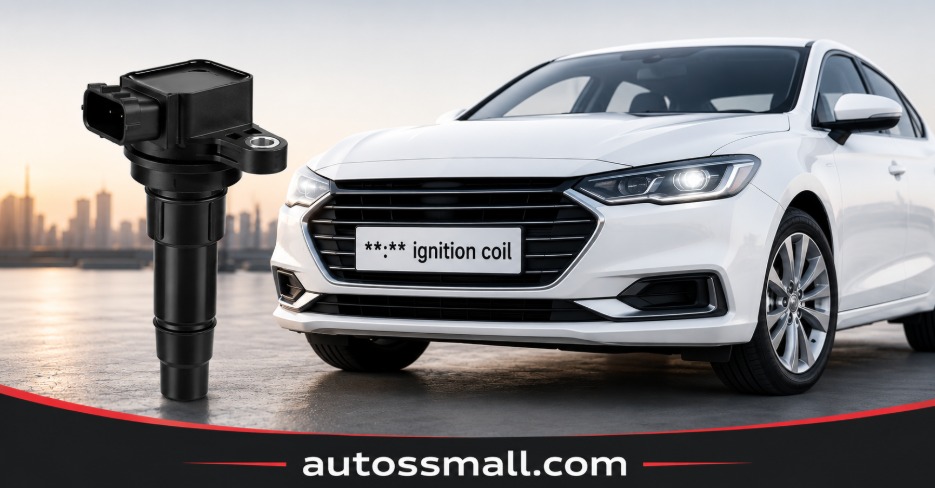
UK Mein Ignition Coil Replace Karwane Ki Kitni Cost Aati Hai?
The cost of replacing an ignition coil in the UK varies depending on the vehicle model and labour charges. On average, a single coil replacement, including parts and fitting, can range from a modest amount for economy cars to a higher price for premium or German-engineered vehicles. Since many modern cars use individual coils for each cylinder, replacing multiple coils together may be more cost-effective than doing it one at a time. It is always wise to compare quotes from trusted garages before committing. Labour costs can also differ between independent garages and main dealerships, so getting more than one estimate often helps you find fair and honest pricing without compromising on part quality.
Is It Safe to Drive With a Faulty Ignition Coil?
Driving with a faulty ignition coil is possible in the short term, but it is not recommended. A misfiring engine puts extra strain on the catalytic converter, which can lead to expensive exhaust system damage over time. Fuel efficiency also drops significantly, meaning you spend more on petrol while getting less performance. In some cases, unburned fuel can even damage the engine’s internal components. For safety and long-term savings, it is best to address the issue as soon as symptoms appear. Continuing to drive on a persistent misfire can also affect your car’s overall reliability, making sudden breakdowns more likely at the least convenient moment.
Simple Tips to Extend the Life of Your Ignition Coil
Taking care of your ignition system can help your coils last much longer. Replacing spark plugs on schedule reduces unnecessary strain on the coil itself. Keeping the engine bay clean and free from oil leaks protects the coil from moisture damage. Regular servicing allows mechanics to spot early warning signs before they become expensive repairs. Avoiding cheap, low-quality replacement parts also ensures better compatibility and durability for your vehicle’s ignition system. Simple habits, like not ignoring dashboard warning lights and scheduling routine tune-ups, go a long way in protecting your entire ignition system from premature wear.
Choosing the Right Ignition Coil for Your Vehicle
When it is time to replace an ignition coil, choosing the correct part for your specific make and model is essential. Original equipment manufacturer parts are generally more reliable, though quality aftermarket options can also perform well at a lower price. Always check compatibility using your vehicle’s registration or engine code before purchasing. Reading verified customer reviews can also help you avoid low-quality parts that fail quickly. A little research beforehand saves both time and money later. Buying from a reputable supplier that specialises in car parts, rather than an unknown seller, also gives you more confidence in the product’s warranty and long-term reliability.
Final Thoughts on Ignition Coil Health
Your ignition coil may be small, but its role in engine performance is significant. Recognising early symptoms, understanding the causes of failure, and knowing your replacement options can save you from bigger repair bills down the road. Whether you choose to diagnose the issue yourself or visit a trusted garage, staying proactive about your ignition system keeps your car running smoothly and efficiently for years to come. A well-maintained ignition coil not only protects your engine but also gives you peace of mind every time you turn the key, knowing your car will start reliably and perform at its best.
Frequently Asked Questions
What is the main function of an ignition coil?
It converts low battery voltage into high voltage to create the spark needed for combustion.
Can a bad ignition coil damage other engine parts?
Yes, prolonged misfiring can damage the catalytic converter and other engine components.
How long does an ignition coil usually last?
Most ignition coils last between 80,000 and 100,000 miles under normal driving conditions.
Is it expensive to replace an ignition coil?
Costs vary by vehicle, but it is generally more affordable than repairing engine damage caused by ignoring the issue.