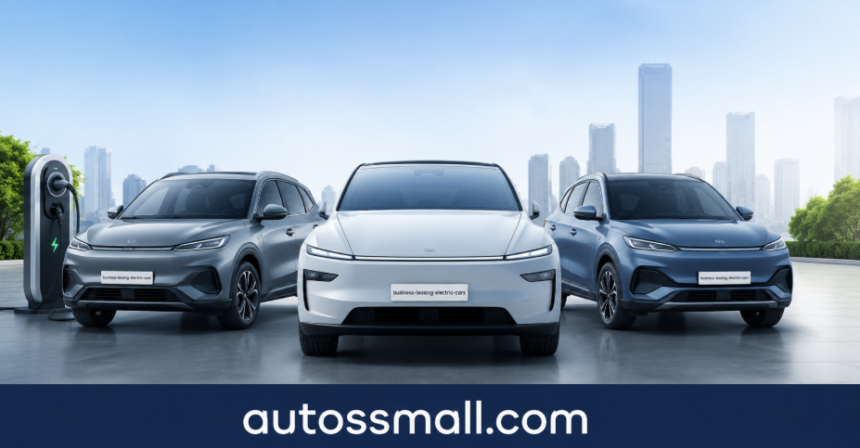
More companies today are choosing electric vehicles for their fleets, and it is not just a passing trend. Business leasing electric cars allows companies to modernize their transport without the heavy upfront cost of buying. It gives owners flexibility, predictable monthly payments, and access to the newest EV models. As fuel prices rise and environmental expectations grow, leasing has become the practical bridge between staying efficient and staying responsible.
What Business Leasing Electric Cars Really Means
Business leasing electric cars simply means a company pays a fixed monthly amount to use an EV for a set period, instead of purchasing it outright. At the end of the lease term, the vehicle is usually returned, upgraded, or renewed. This model suits businesses that prefer to avoid depreciation risk while still enjoying full use of a modern vehicle. It is a low-commitment way to bring electric mobility into daily operations.
The Financial Benefits of Leasing Over Buying
One of the biggest reasons businesses lease electric cars is financial breathing room. Instead of tying up large capital in vehicle ownership, companies can spread costs into manageable monthly payments. Leasing also often comes with fewer surprise expenses, since maintenance and warranty coverage are frequently included in the agreement.
Tax Advantages That Make Leasing Attractive
Many governments encourage the shift toward electric vehicles by offering tax incentives to businesses. Lease payments on electric cars can often be treated as a deductible business expense, reducing overall taxable income. Some regions also provide additional benefits for lower emission vehicles, making electric leasing even more cost-effective compared to traditional fuel-powered options. This financial incentive is one of the strongest motivators pushing companies toward electric fleets.
Lower Running Costs for Everyday Operations
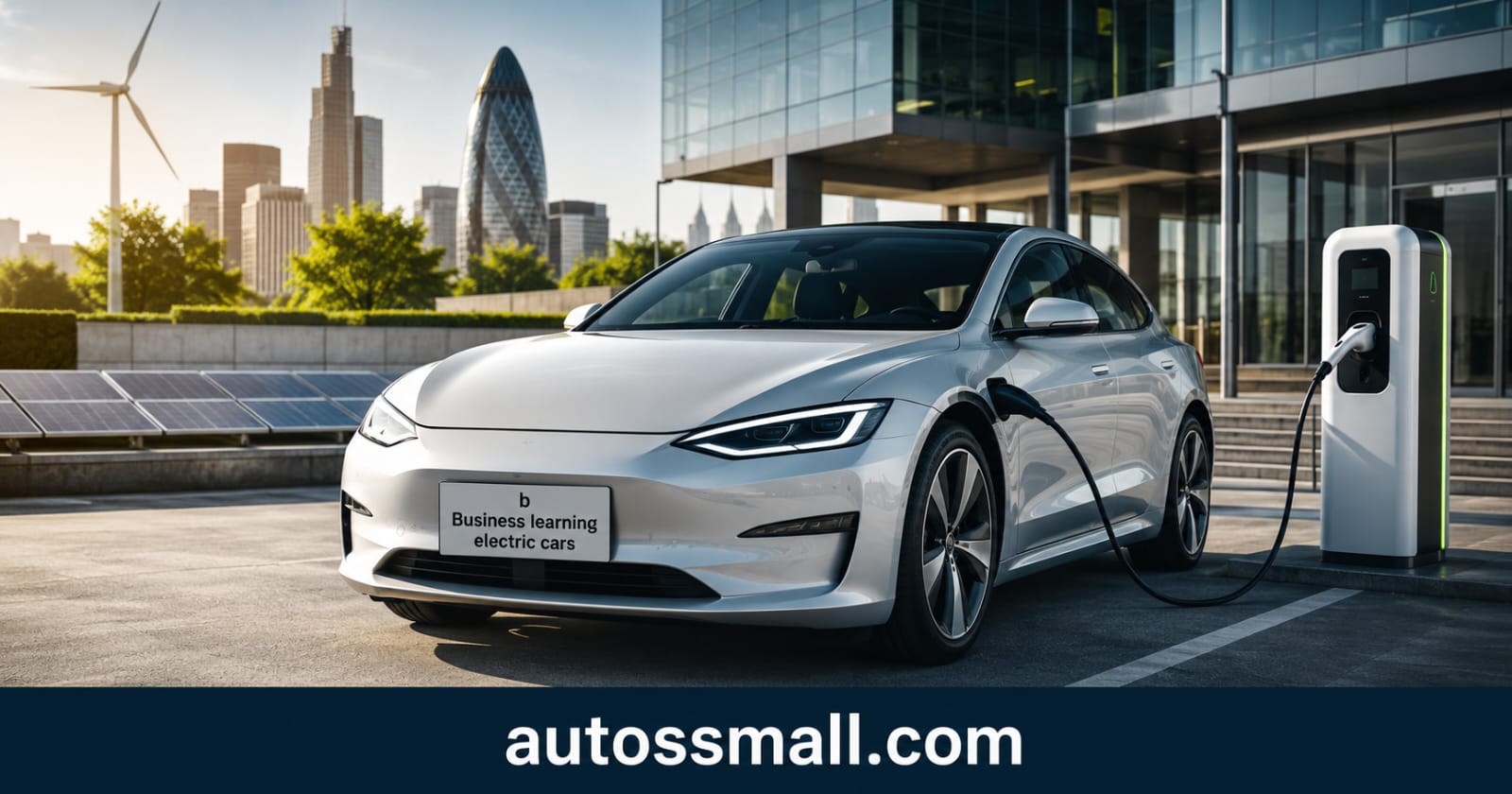
Electric vehicles are known for their lower running costs compared to petrol or diesel cars. Charging an EV is generally cheaper than refueling a traditional vehicle, especially for companies that manage multiple cars. Maintenance costs also tend to be lower, since electric motors have fewer moving parts and require less frequent servicing. Over time, these savings add up significantly, especially for businesses running larger fleets.
Supporting Sustainability Goals With Every Lease
Sustainability is no longer optional for many businesses; it has become part of brand identity and client expectation. Business leasing electric cars allows companies to reduce their carbon footprint without a long-term financial commitment. This is especially valuable for businesses that want to align with environmental goals while remaining flexible enough to upgrade as EV technology continues to improve. Clients and partners increasingly notice and appreciate this shift toward greener operations.
Flexibility to Match Business Growth
Business needs change, and leasing offers the flexibility to match that pace. Instead of being locked into ownership, companies can adjust their fleet size or vehicle type as operations grow or shift. This is particularly useful for businesses expanding into new markets or adjusting service demands. Leasing removes the burden of reselling old vehicles, making transitions smoother and far less stressful.
Access to the Latest EV Technology
Electric vehicle technology is evolving quickly, with newer models offering better range, faster charging, and smarter features every year. Leasing allows businesses to stay updated without worrying about long-term depreciation on outdated technology. Companies can renew their lease and step into newer models regularly, ensuring their fleet always reflects the most current and efficient electric vehicle standards available.
Simplified Maintenance and Reduced Downtime
Many electric car leasing packages include maintenance and servicing as part of the agreement. This means businesses spend less time managing repairs and more time focusing on core operations. Reduced downtime keeps delivery schedules, client meetings, and daily logistics running smoothly. For companies that depend on reliable transportation, this convenience adds real operational value beyond just financial savings.
Choosing the Right Leasing Partner for Your Fleet
A good leasing partner should offer transparent pricing, flexible contract terms, and reliable after-sales support. Businesses should compare mileage limits, maintenance packages, and early termination policies before signing an agreement. Taking time to choose wisely ensures the leasing experience remains smooth and beneficial throughout the contract period.
Making the Switch: A Practical Step Forward
Transitioning to electric vehicles does not have to be overwhelming. Business leasing electric cars gives companies a low-risk way to test electric mobility before making larger commitments. It allows gradual adaptation, letting businesses understand charging needs, driver behavior, and cost patterns over time. This practical approach makes the shift toward sustainable transport feel manageable rather than intimidating.
Conclusion
Business leasing electric cars is more than a financial decision; it reflects a company’s readiness to adapt to a changing world. As more businesses embrace this model, it is becoming clear that electric leasing is not just a trend, but a lasting shift in how companies manage their fleets.
FAQs About Business Leasing Electric Cars
Is business leasing electric cars cheaper than buying?
Yes, leasing usually spreads costs into lower monthly payments compared to full ownership.
Do leased electric cars include maintenance?
Most leasing plans cover routine maintenance and servicing as part of the agreement.
Can businesses claim tax benefits on leased EVs?
Yes, lease payments are often deductible as a business expense, subject to local tax rules.
What happens at the end of an EV lease term?
Businesses can return, renew, or upgrade to a newer electric vehicle model.
Is leasing suitable for small businesses too?
Yes, leasing offers flexibility that works well for both small and large business fleets.