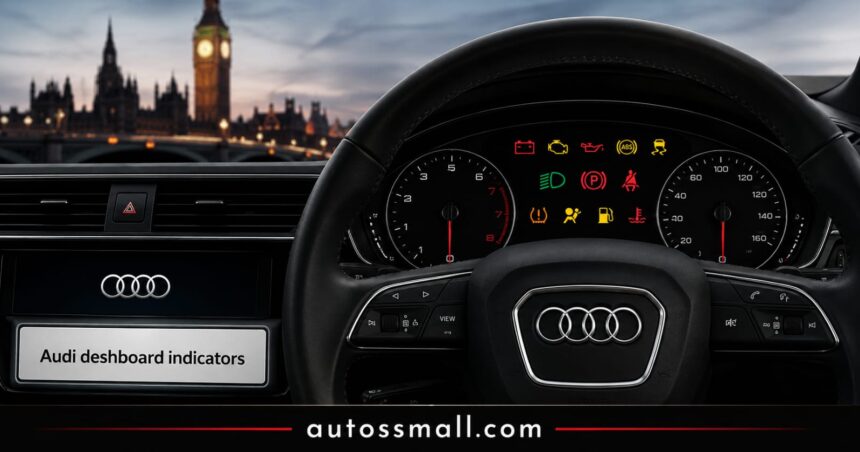
Every Audi owner has, at some point, glanced down at the instrument cluster and wondered what a particular symbol means. Audi dashboard indicators are designed to keep drivers informed about the health, safety, and performance of their vehicle at all times. Ignoring these small icons can lead to costly repairs or, worse, a dangerous situation on the road. Whether you drive an A3, A4, Q5, or any other Audi model, learning to read these signals is one of the simplest ways to protect your car and your passengers.
The Colour Coded Warning System
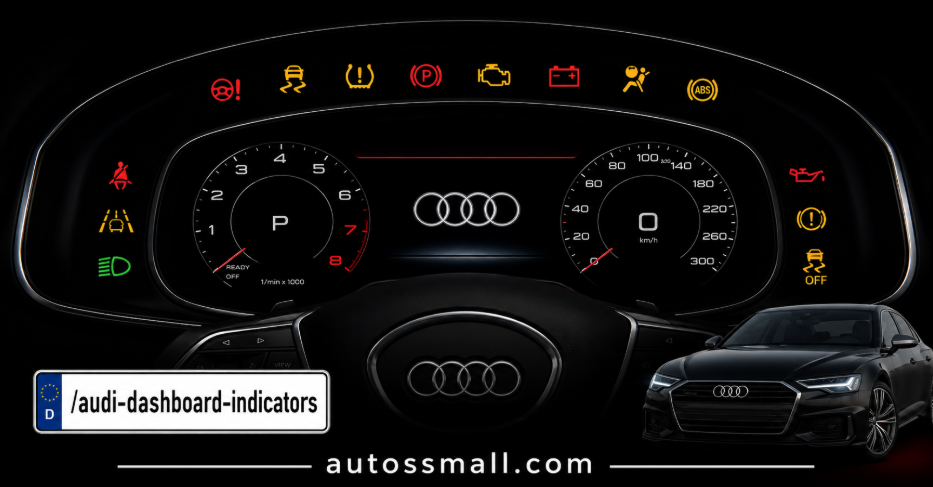
Audi uses a straightforward colour system to help drivers judge how urgent a warning is. Red lights demand your immediate attention and usually mean you should pull over safely as soon as possible. Amber or yellow lights suggest a problem that needs checking soon but is not necessarily an emergency. Green and blue icons are simply informational, letting you know that a feature such as cruise control or your indicators are switched on. Understanding this hierarchy is the first step toward confidently interpreting your Audi’s dashboard.
Red Warning Lights Stop and Check Immediately
Red symbols on your Audi dashboard are the most serious category and should never be ignored. A red engine warning light often points to a major mechanical or transmission fault that could cause lasting damage if you continue driving. The brake system light, shaped like an exclamation mark inside a circle, may indicate low brake fluid or a fault within the braking system itself. Similarly, a red oil pressure symbol means your engine may not be receiving enough lubrication, which can cause severe internal damage within minutes. Whenever a red light appears, find a safe place to stop and assess the situation before continuing your journey.
Amber and Yellow Lights Attention Needed Soon
Amber warnings are slightly less urgent than red ones, but they still deserve prompt attention. The check engine light is perhaps the most well-known example, and it can be triggered by anything from a loose fuel cap to a more serious emissions fault. A flashing check engine light, however, signals a more urgent issue and should be treated with the same seriousness as a red warning. The Electronic Power Control, or EPC, light often relates to the throttle or engine management system and may cause a noticeable drop in performance. If any amber light stays illuminated, it is worth booking a diagnostic check at your earliest convenience.
Green and Blue Lights Everything Is Working Normally
Not every dashboard symbol is a cause for concern. Green and blue lights simply confirm that a system is active and functioning as intended. A green arrow, for instance, shows that your indicators are in use, while a blue symbol often confirms that your high beam headlights are switched on. Adaptive cruise control and various driver-assistance features also use green icons to show they are engaged. These lights are a helpful reminder rather than a warning, and they exist purely to keep you informed about what your car is currently doing.
The Check Engine Light Explained
Few symbols cause as much confusion as the check engine light, mainly because it can represent so many different problems. It might be something minor, like a loosely fitted fuel cap, or something more significant, such as a failing sensor or catalytic converter issue. If the light appears steady, it is generally safe to continue driving carefully while arranging a service appointment. A flashing check engine light, however, suggests a more urgent fault, such as an engine misfire, and driving further could cause additional damage. Getting the issue diagnosed quickly can often save you from a much larger repair bill later on.
Brake and ABS Warning Lights
The braking system is one of the most important safety features in any vehicle, so Audi places great emphasis on alerting drivers to potential issues. The ABS warning light indicates a fault within the anti-lock braking system, which could affect how your car handles emergency stops. A separate brake system light may point to low brake fluid, worn pads, or a more serious mechanical fault. If both lights appear together, it is best to have the vehicle inspected before driving any further, since this combination can sometimes signal a more significant braking problem.
Battery and Charging System Alerts
A battery-shaped symbol on your Audi’s dashboard is a warning that the charging system may not be working correctly. This could be caused by a failing alternator, a weak battery, or a loose electrical connection somewhere in the system. Continuing to drive with this light on is possible for a short while, but the battery will eventually drain completely, leaving you stranded. It is best to have the charging system checked as soon as this light appears, particularly before setting off on a longer journey around the UK’s motorway network.
Tyre Pressure Monitoring System (TPMS)
The Tyre Pressure Monitoring System is a legal requirement on modern vehicles and plays an important role in keeping you safe. When this light appears, usually shown as a flat tyre with an exclamation mark, it means one or more of your tyres has dropped below the recommended pressure. Driving on underinflated tyres can affect fuel efficiency, handling, and even increase the risk of a blowout at higher speeds. Checking and adjusting your tyre pressures regularly, especially during colder months, can help you avoid this warning appearing unexpectedly.
EPC and Power Steering Warnings
The EPC light, short for Electronic Power Control, often appears alongside a noticeable loss of engine power or acceleration. This system manages the throttle, cruise control, and engine management functions, so a fault here can affect how the car drives overall. A separate power steering warning light suggests increased effort may be needed to turn the wheel, which can be both surprising and potentially unsafe if it happens suddenly. Both of these lights are worth having checked promptly by a qualified technician to avoid further complications.
Airbag and Seatbelt Reminder Lights
Safety-related warning lights, such as the airbag and seatbelt reminder icons, are there to protect you and your passengers in the event of an accident. An illuminated airbag warning light means the system may not deploy correctly if needed, which is a serious safety concern that should be addressed right away. The seatbelt reminder simply flashes or sounds an alert until every occupant has buckled up, encouraging safer driving habits from the very start of your journey. Never ignore either of these lights, as they relate directly to passenger safety.
What to Do When a Warning Light Appears
The right response depends largely on the colour and type of light you see. For red warnings, the safest approach is to pull over as soon as it is safe to do so and assess the situation before continuing. Amber lights generally allow you to keep driving cautiously while arranging a check-up within the next few days. Green and blue lights require no action at all, since they simply confirm normal operation. Keeping your Audi’s handbook nearby, or bookmarking a trusted symbol guide, can make it much easier to react appropriately whenever a new light appears.
Keeping Your Audi Safe on UK Roads
Understanding your Audi dashboard indicators is one of the easiest ways to stay ahead of potential problems and keep your vehicle running smoothly. Regular servicing, tyre checks, and prompt attention to warning lights can prevent small issues from becoming expensive repairs. UK roads and weather conditions can be demanding on any vehicle, so staying alert to what your dashboard is telling you adds an extra layer of confidence to every drive. A little knowledge goes a long way toward keeping both you and your Audi safe for years to come.
FAQs About Audi Dashboard Indicators
What does a red warning light mean on my Audi?
It means an urgent issue needs immediate attention, so you should stop safely as soon as possible.
Can I keep driving with an amber warning light on?
Usually yes, for a short while, but you should get it checked soon to avoid further damage.
Why does my check engine light keep flashing?
A flashing light usually points to an engine misfire, which needs prompt professional diagnosis.
What should I do if the TPMS light comes on?
Check all four tyres and inflate them to the recommended pressure as soon as possible.
Is a green dashboard light ever a warning?
No, green lights simply confirm that a feature or system is currently active.