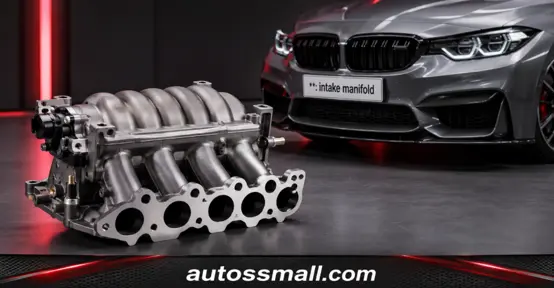
An intake manifold is one of the most important parts of your engine, yet many drivers barely know it exists until something goes wrong. It sits on top of or beside the engine and its main job is to distribute a precise mix of air and fuel evenly to each cylinder. Without this even distribution, some cylinders would receive more air than others, causing rough running and poor combustion. The manifold is usually made of aluminum, plastic composite, or cast iron depending on the vehicle’s age and design. Understanding this single component can help you catch engine trouble long before it becomes a costly repair.
How Does an Intake Manifold Work
The intake manifold works by channeling air from the throttle body through a series of passages that lead to each cylinder’s intake port. As the engine draws air in during the intake stroke, the manifold ensures that this air arrives at the right pressure and volume for efficient combustion. In fuel-injected engines, the fuel is often introduced right at the intake port, while the manifold’s job remains focused purely on air delivery and pressure balance. Some manifolds also include a chamber that helps regulate airflow at different engine speeds for better performance. This careful engineering is what allows a modern engine to run smoothly across a wide range of driving conditions.
Types of Intake Manifolds
Intake manifolds generally fall into a few categories, and knowing the difference helps when discussing repairs with your mechanic. A single-plane manifold delivers air through one common chamber and is often found in high-performance engines built for higher RPM power. A dual-plane manifold, on the other hand, splits airflow into two separate paths, which improves low-end torque and everyday drivability. Many modern vehicles also use variable-length intake manifolds that automatically adjust their internal passage length based on engine speed. This variable design gives drivers the best of both worlds, combining strong low-speed torque with solid high-speed power.
Common Signs of a Bad Intake Manifold
A failing intake manifold rarely breaks down without warning, and your car will usually give you a few hints along the way. One of the earliest signs is a noticeable drop in engine performance, where the car feels sluggish or hesitates during acceleration. You might also hear a hissing or whistling sound coming from the engine bay, which often points to a vacuum leak in the manifold gasket. Rough idling, random misfires, or a check engine light appearing on your dashboard are also common symptoms worth investigating. If you notice coolant leaking near the manifold area or an unusual smell of burning fluid, it is best to have the vehicle checked immediately.
Why Does an Intake Manifold Fail
Intake manifolds fail for several reasons, and heat is usually the biggest culprit behind most problems. Constant exposure to high engine temperatures can cause plastic manifolds to warp, crack, or become brittle over time. The gasket that seals the manifold to the engine block can also wear out due to age, causing small air or coolant leaks that grow worse if ignored. Vibration from daily driving gradually loosens bolts and seals, which is another reason regular inspection matters. In some cases, manufacturing defects or poor-quality aftermarket parts can shorten the manifold’s lifespan considerably.
How to Diagnose Intake Manifold Problems
Diagnosing an intake manifold issue starts with a visual inspection to look for obvious cracks, coolant residue, or oil stains near the gasket area. Mechanics often use a smoke test, where smoke is introduced into the intake system to reveal exactly where air is escaping. A vacuum gauge can also help measure whether the engine is pulling proper vacuum pressure, since a leak will cause noticeably lower readings. Scanning the car’s onboard computer for trouble codes related to lean fuel mixture or misfires can point directly to a manifold problem as well. Combining these methods gives a much clearer picture than relying on guesswork alone.
Intake Manifold Replacement Cost
The cost of replacing an intake manifold depends heavily on your vehicle’s make, model, and whether you choose an OEM or aftermarket part. On average, most drivers can expect to pay somewhere between a moderate parts cost and additional labor charges, since some manifolds are tucked deep within the engine bay. Vehicles with plastic manifolds tend to need replacement more often than those with metal ones, which can affect long-term maintenance costs. Choosing a reputable repair shop and asking for a written estimate beforehand can help you avoid unexpected charges. It is also worth comparing a full manifold replacement against simply replacing the gasket, since gasket-only repairs are usually far more affordable.
Tips to Maintain Your Intake Manifold
Taking a few simple precautions can significantly extend the life of your intake manifold and save you money down the road. Regularly checking for coolant leaks and addressing them early prevents small issues from turning into major repairs. Keeping up with scheduled engine maintenance, including gasket inspections during routine service visits, helps catch wear before it becomes serious. Avoiding excessive engine idling in extreme heat also reduces thermal stress on plastic components. Finally, using quality replacement parts rather than the cheapest available option often pays off through better durability and performance.
Final Thoughts
The intake manifold may not get much attention compared to other engine parts, but its role in keeping your car running smoothly is undeniable. Paying attention to early warning signs like rough idling, hissing noises, or a lit check engine light can save you from a much bigger repair bill later. Whether you decide to handle diagnosis yourself or take your car to a trusted mechanic, understanding how this component works puts you in a stronger position as a car owner. Regular maintenance and timely repairs are always more affordable than waiting until a small leak turns into engine damage. A well-maintained intake manifold means better fuel efficiency, smoother performance, and a longer life for your engine overall.
Frequently Asked Questions
1. What does an intake manifold do in a car?
It distributes air evenly to each engine cylinder for proper combustion.
2. What are the symptoms of a bad intake manifold?
Rough idling, hissing sounds, power loss, and check engine light warnings.
3. Can I drive with a cracked intake manifold?
It is not recommended, as it can cause overheating and engine damage.
4. How much does intake manifold replacement cost?
Costs vary by vehicle, but parts plus labor typically make up the total price.
5. How long does an intake manifold last?
With proper care, most manifolds last well over 100,000 miles.